Find out all we can offer to parents and kids.
Enrol in our award-winning workshops and programs.
Our team of experts can carry out a wide range of evidence-based assessments.
We offer online and face-to-face services to empower children and parents.
Find out all we can offer schools and clinics.
Tried and tested tools and products for forward-thinking schools.
Meet some of our clients and read our success stories.
Enrol or refer a student and parents to our in-person, online or live workshops.
Explore all our practical resources.
Evidence-based tools to help proactive parents stay ahead of issues.
Resources to help you enhance your family's wellbeing.
Practical ideas and tricks to solve everyday problems.
Dr Kimberley O’Brien presented doctoral research on social inclusion, self-esteem and belonging at the 2011 APS Educational and Developmental Psychology Conference in Melbourne.
Quirky Kid became a registered NDIS provider, expanding access to therapeutic supports for eligible children and families using NDIS funding.
Essential Kids
Basecamp Tote Bag – Sustainable, Fun Designs by Quirky Kid
A smashing series primed to help young readers ease through essential early childhood skills including manners, greetings and nightmares.
Where are your manners? A story about why manners matter.
Resources | Learning Difficulties
Practical and research-based resources, prepared by our team, to help you on your day to day.
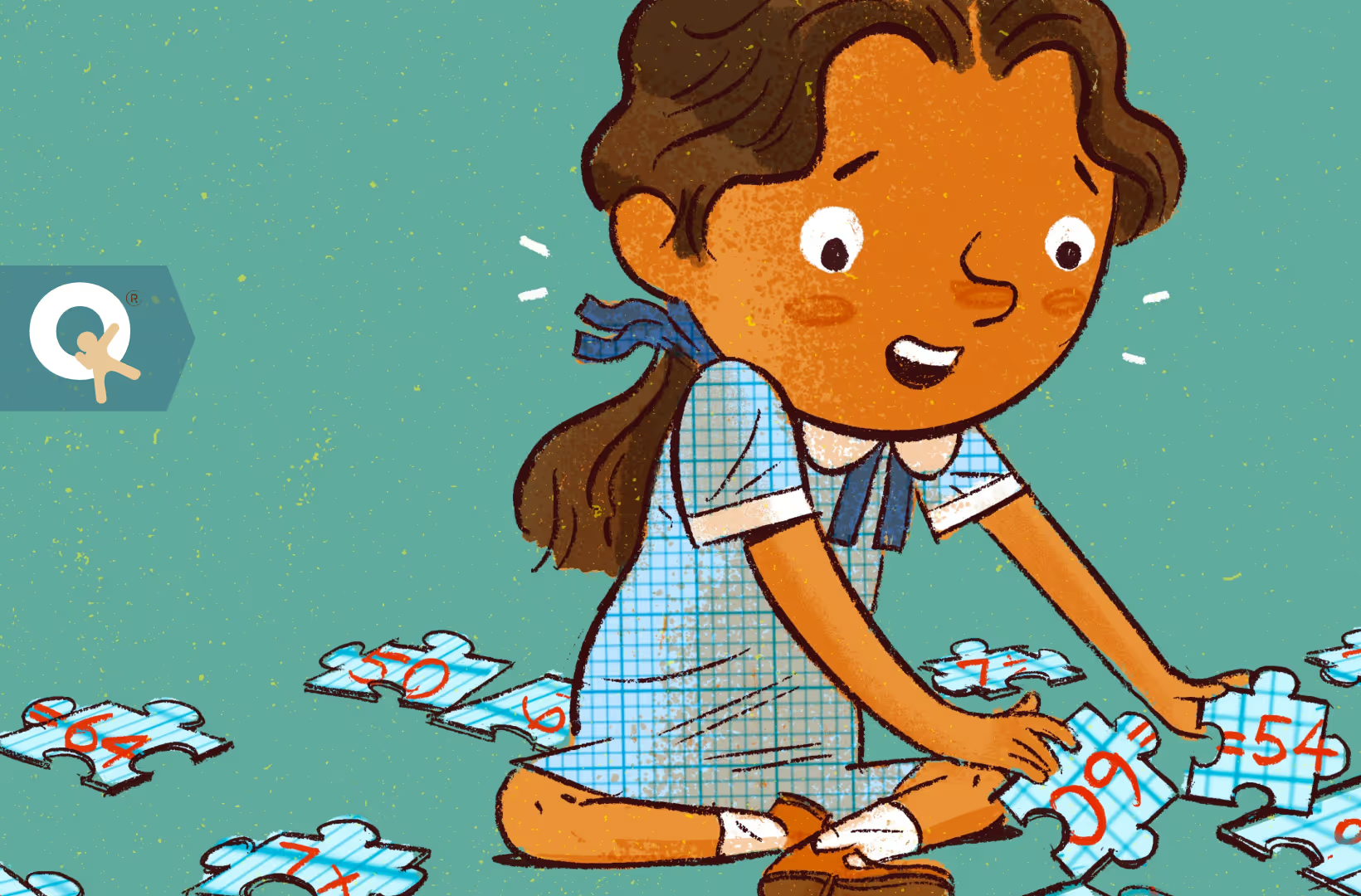
Learn what dyscalculia may look like in children, how a child psychologist assesses persistent maths difficulties, and what can help at home and school.
A practical guide to specific learning disorders in reading, writing and maths, including signs, assessment and support for children at home and school.
Learn what executive functioning means, how difficulties may appear in everyday life and practical ways to support planning, working memory and self-regulation.
A practical guide to preparing your child, gathering useful information and understanding what may happen at a first psychology appointment.
Learn why some children find spoken information difficult to follow, the signs parents and teachers may notice, and practical ways to support listening.


.webp)

.png)


.avif)