


Navigating the Digital Manosphere: A Parent’s Guide
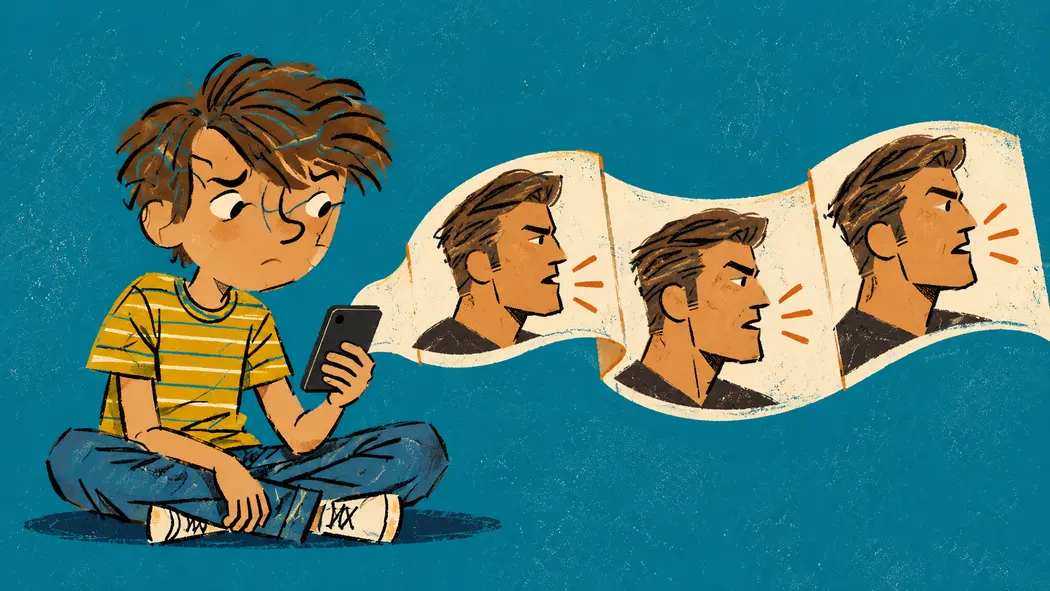
The manosphere is a loose network of online communities and influencers discussing men, masculinity and relationships. Some promote misogyny, meaning prejudice or hostility towards women, alongside rigid ideas about how men should behave. Parents can help boys question these messages through open conversations, clear boundaries and positive relationships.
Guiding young people through this terrain takes more than setting screen time limits or monitoring apps. It also means understanding what content offers them: entertainment, advice, confidence or a sense of belonging.
How online content can offer a sense of belonging
Your teenager may be interested in fitness clips, gaming streams or relationship advice. Those interests are not warning signs in themselves. Adolescence is a time of building identity, seeking independence and exploring what it means to become an adult.
Some influencers combine useful or appealing advice with messages that blame women or other groups for personal frustrations. Labels such as “alpha”, “beta” or “sigma” can present human worth as a hierarchy based on dominance, appearance or wealth. These labels are internet shorthand, not psychological categories.
A boy who is feeling lonely, rejected or uncertain may find simple explanations appealing. That does not mean he will adopt harmful views. Understanding what he finds helpful gives adults a starting point for discussing the parts that are unfair or disrespectful.
How automated feeds shape what young people see
Recommender systems use signals such as viewing time and interactions to select what appears next. They can repeatedly surface provocative material, making one viewpoint seem more widespread than it is. eSafety describes how apparently ordinary self-improvement content can lead towards more hostile messages (eSafety Commissioner, 2026).
This is a risk, not an inevitable pathway. Watching a fitness video does not automatically lead to misogynistic content, and seeing a video does not establish that a young person agrees with it.
In Australia, age-restricted social media platforms have been required since 10 December 2025 to take reasonable steps to prevent under-16s from having accounts. Content may still reach young people through public pages or material shared by others. Follow eSafety’s current guidance for families when planning age-appropriate access.
Recommended Online Course


The emotional cost of rigid masculinity
Messages that equate strength with suppressing emotion can make it harder to talk about disappointment, anxiety or rejection. Relationships portrayed as contests can also leave little room for empathy, cooperation or mutual respect. Boys deserve space to express a full range of feelings and develop their own interests without having to prove their worth through dominance.
Movember’s 2025 report surveyed more than 3,000 young men aged 16–25 in Australia, the United Kingdom and the United States. Those engaging with men and masculinity influencers reported poorer mental health outcomes and greater risk-taking than those who did not. Many also described the content as motivating or inspiring (Movember, 2025).
These findings show associations, not proof that watching influencers caused distress. The study also cannot be applied directly to boys aged 13–15. It supports asking how content affects a particular young person, rather than assuming every follower has the same experience.
Notice changes without jumping to conclusions
Look for patterns that invite a conversation: repeated contempt towards girls or women, pressure to appear invulnerable, or growing conflict about respect and relationships. Irritability, withdrawal or spending more time alone can have many explanations and do not demonstrate manosphere involvement.
Ask what has changed at school, with friends and online. A teenager may need help with rejection or belonging as well as clear feedback about hurtful behaviour. You can validate disappointment while challenging blame: “Being left out hurts. It doesn’t make it okay to insult someone.”
Understand the effects on peers and schools
A 2025 survey of 200 teachers in British schools found that 60% of primary teachers and 76% of secondary teachers moderately or strongly agreed that the influence of online misogyny on pupils was extremely concerning. Teachers described derogatory comments and discriminatory behaviour towards girls and female staff (Over et al., 2025).
These are teachers’ reported perceptions in a British sample, not Australian prevalence figures or proof of cause. The findings nevertheless highlight why responses should consider the wellbeing of those targeted, alongside support for boys.
Further Reading

Building digital literacy and trusting relationships
Calm conversations can sit alongside firm limits. You do not need to agree with harmful views to understand what draws a teenager towards them. Choose a quiet moment, address one example and allow time for reflection.
Establish open communication on complex topics
Create space for your teenager to discuss online content without assuming every disclosure will lead to punishment. If they mention a controversial influencer, remain curious and ask:
- “What do you think makes that influencer popular with people your age?”
- “How do you feel about the way they describe relationships?”
- “How might someone on the receiving end feel?”
If a comment is harmful, be specific: “I’m interested in what you think, but saying girls are less capable is disrespectful.” If the conversation becomes heated, pause and agree when to return to it.
Teach algorithmic literacy to navigate platforms
Help your teenager distinguish a recommendation from reliable advice. Discuss who created a claim, what evidence supports it and whether the creator is selling a product, subscription or lifestyle. A useful question is: “What would make us reconsider this advice?”
Where access is age-appropriate, review available feed and privacy controls together. Muting, unfollowing and reporting can help manage unwanted content, but cannot guarantee a safe feed. You do not need to replay harmful videos to discuss their message. Our screen time guide for parents can help with broader family routines.
Model positive and diverse masculinity
Highlight men in family and community life who show kindness, accountability and cooperation. Name the behaviour: “He was disappointed and still congratulated his teammate.” Let boys see adults ask for help, apologise and handle disagreement respectfully.
Make room for varied personalities, cultures and interests. Boys do not need to be confident, athletic or outgoing to belong. If appearance or muscularity is becoming a source of pressure, explore our guide to body image and social media.
Share responsibility with schools and communities
Families should not have to manage online influence alone. If comments or harassment are affecting school life, contact the relevant teacher or wellbeing staff member. Ask how the school teaches respectful relationships, responds to discriminatory behaviour and supports students who have been targeted.
Sports clubs, mentors and community groups can also provide belonging and examples of respectful conduct. A young person who has hurt someone may need support to understand the impact and repair harm. The person targeted should not be expected to educate them or accept an apology.
When to seek additional support
Speak with a GP, psychologist or school wellbeing professional if distress, withdrawal, aggression or family conflict is persistent, increasing or affecting daily life. Take threats and harassment seriously. For online abuse, consult eSafety’s reporting pathways. Call Triple Zero (000) if anyone is in immediate danger.
Quirky Kid offers psychology consultations for children, teenagers and families in Sydney and Wollongong, with online appointments where suitable. If you are unsure what support would help, talk to our team about the concerns you are noticing.
Keep returning to connection, curiosity and respect. A single conversation is unlikely to settle every disagreement. Repeated opportunities to think critically, express feelings and experience supportive relationships give young people practical ways to question harmful messages.
View article references

eSafety Commissioner. (2026). The manosphere: What it is and what parents and carers need to know. Read the parent advisory.
eSafety Commissioner. (n.d.). Social media age restrictions and your family. Retrieved October 29, 2026, from eSafety’s family guidance.
Movember. (2025). Young men’s health in a digital world. Read the research overview and access the report.
Over, H., Bunce, C., Baggaley, J. & Zendle, D. (2025). Understanding the influence of online misogyny in schools from the perspective of teachers. PLOS ONE, 20(2), e0299339. https://doi.org/10.1371/journal.pone.0299339.

Related Products


Subscribe to our Newsletter

